
regina scientiarum
Theology
The queen of the sciences and the foundation of all learning. Augustine, Aquinas, Anselm, Bonaventure — every liberal art finds its ultimate purpose in the knowledge of God.
Enter →



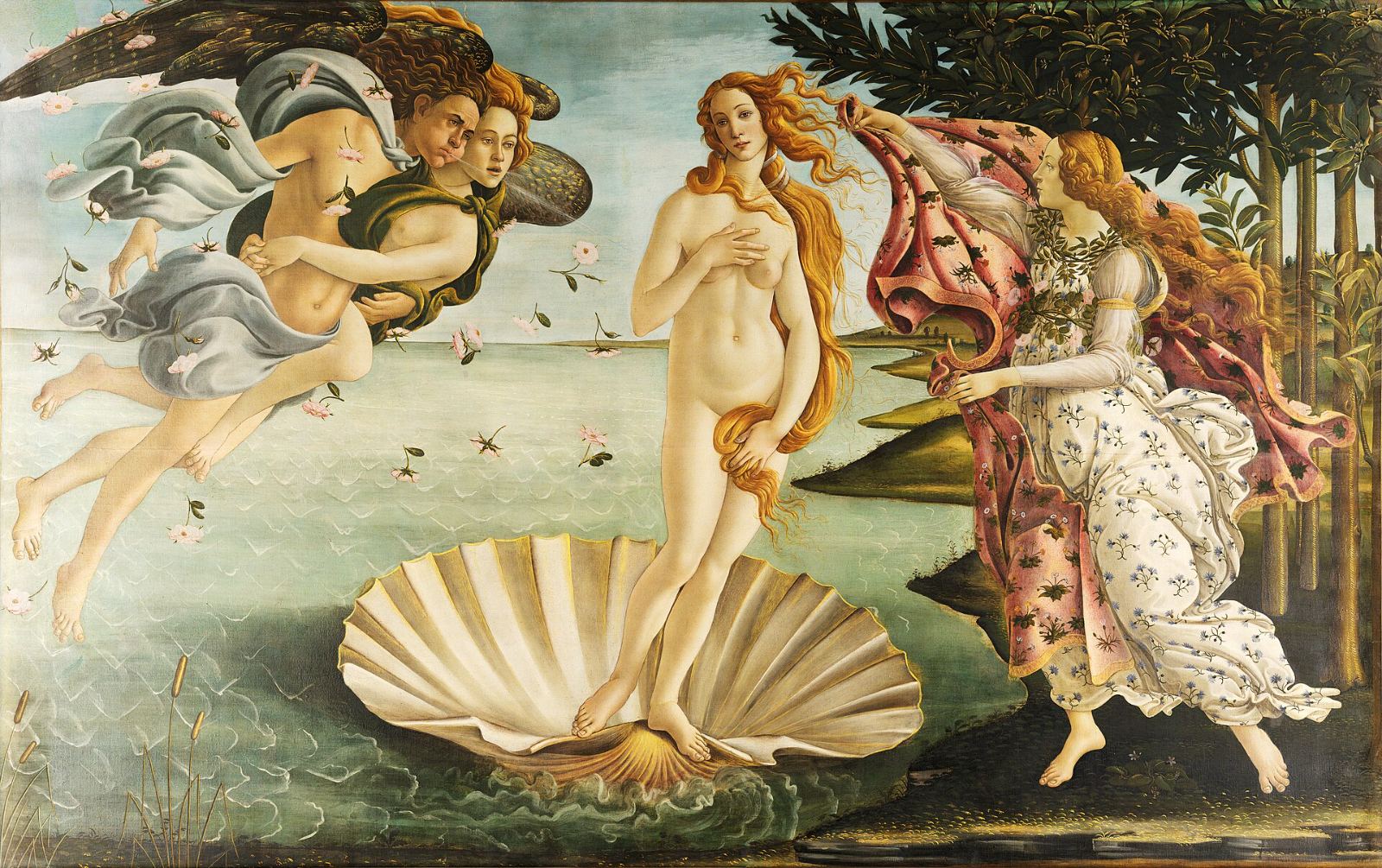

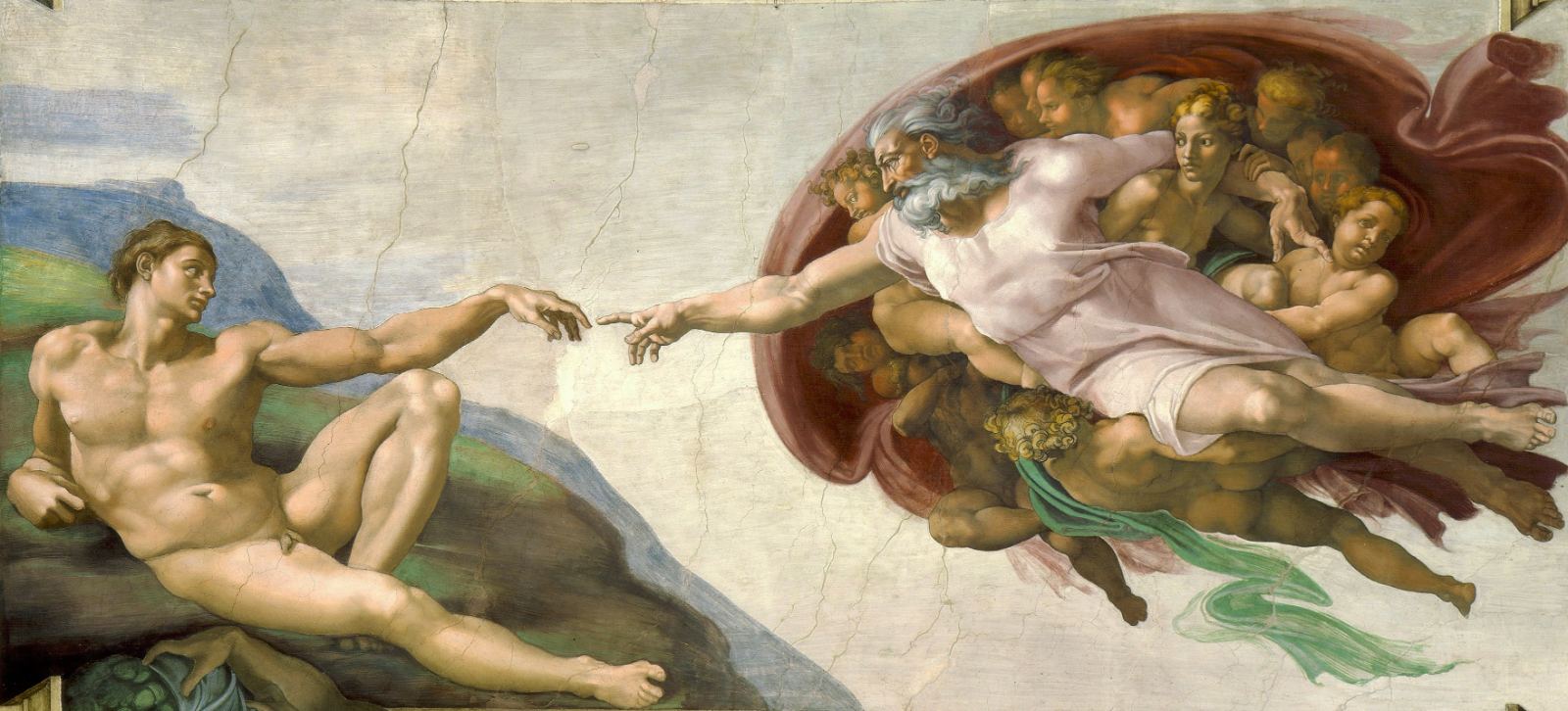



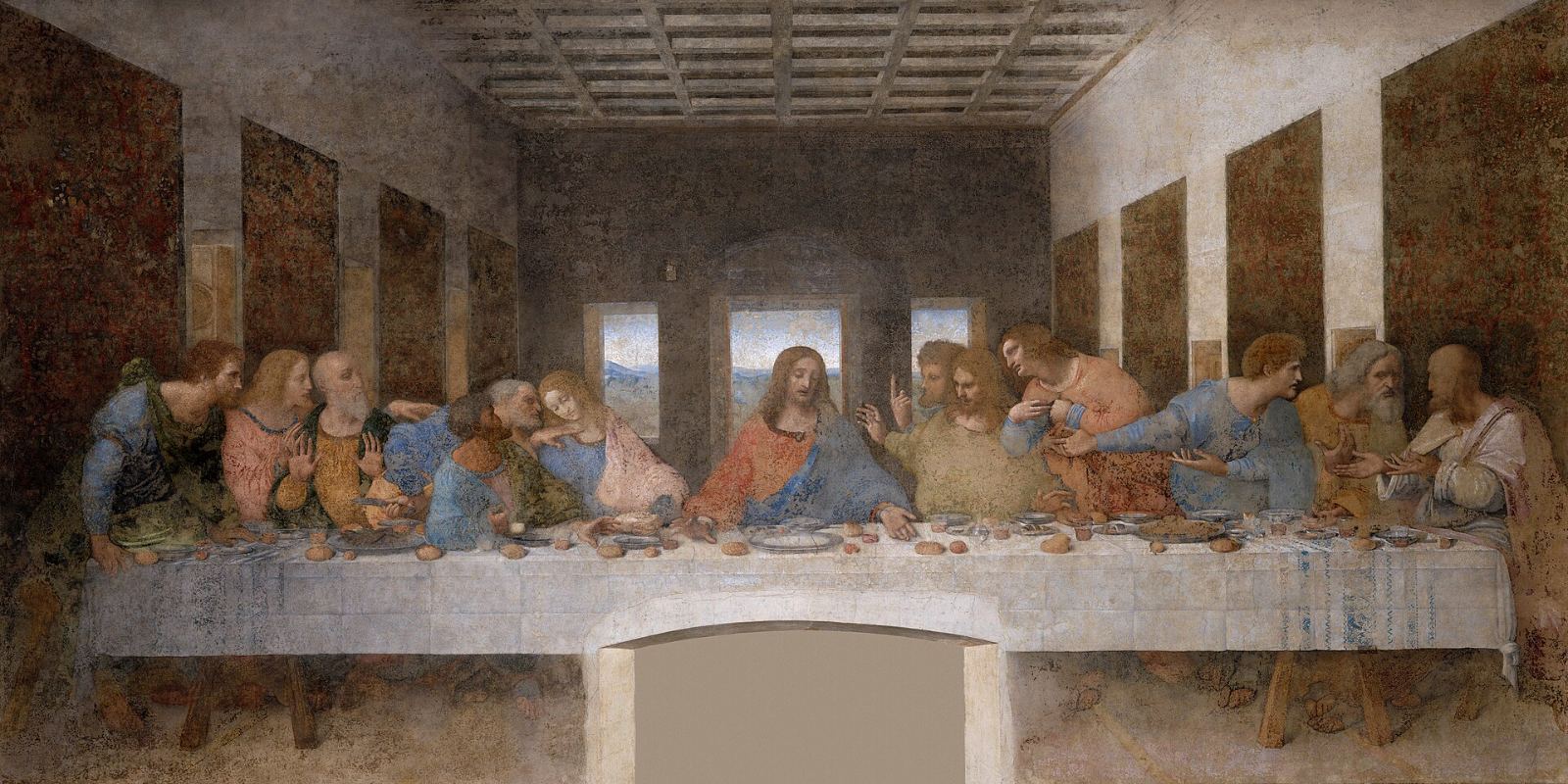



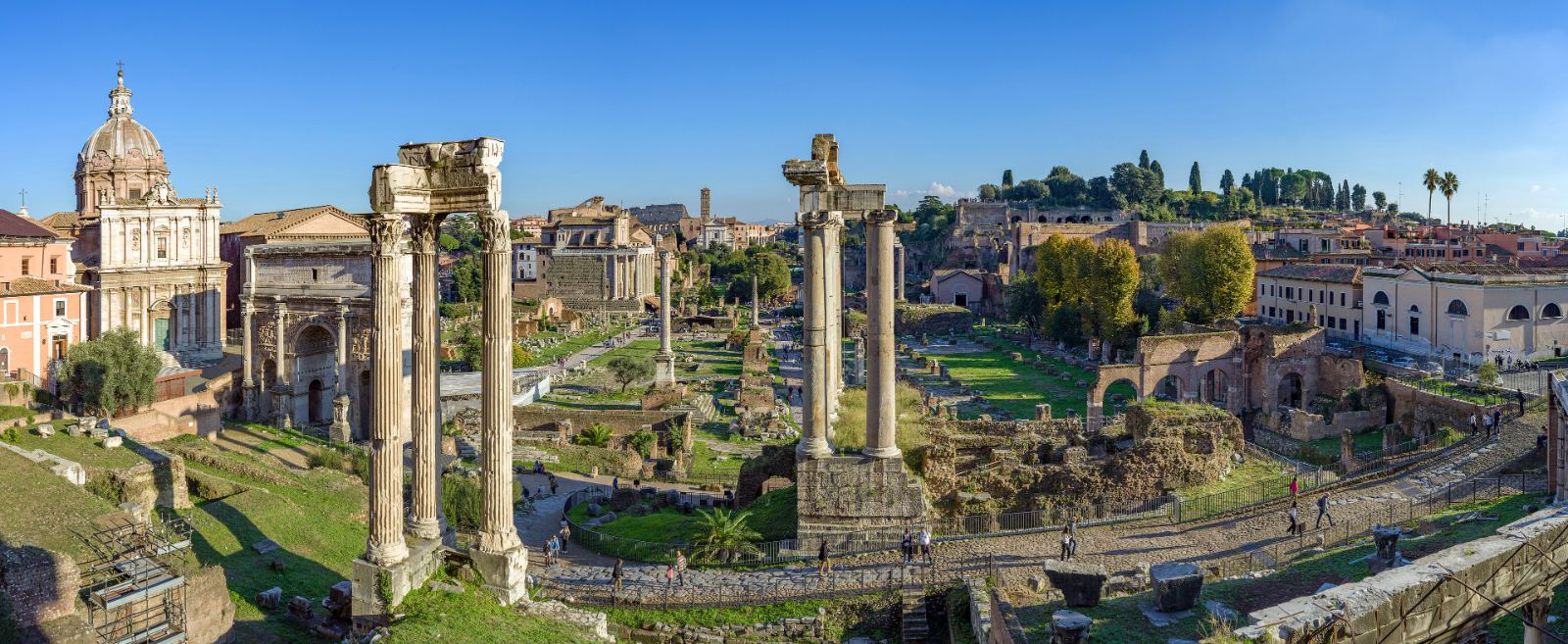
Our tutors meet your child exactly where they are and walk with them towards the most rewarding intellectual journey a child can take.
Fully personalized tutoring — at the tutor’s full hourly rate.
More discussion and collaboration — split the rate across readers.
Something is being stolen from your child quietly and legally — their ability to think for themselves.
You watch your child scroll through an endless feed of noise, absorbing opinions they didn’t choose, ideas they can’t evaluate, and information they have no framework to question. You feel the fragility. You see the confusion. And somewhere deep down you know that thirteen years of standardized testing and state-approved curricula is not going to fix it.
But there is another way — and it is older and more proven than all the institutions that have ever failed your child.
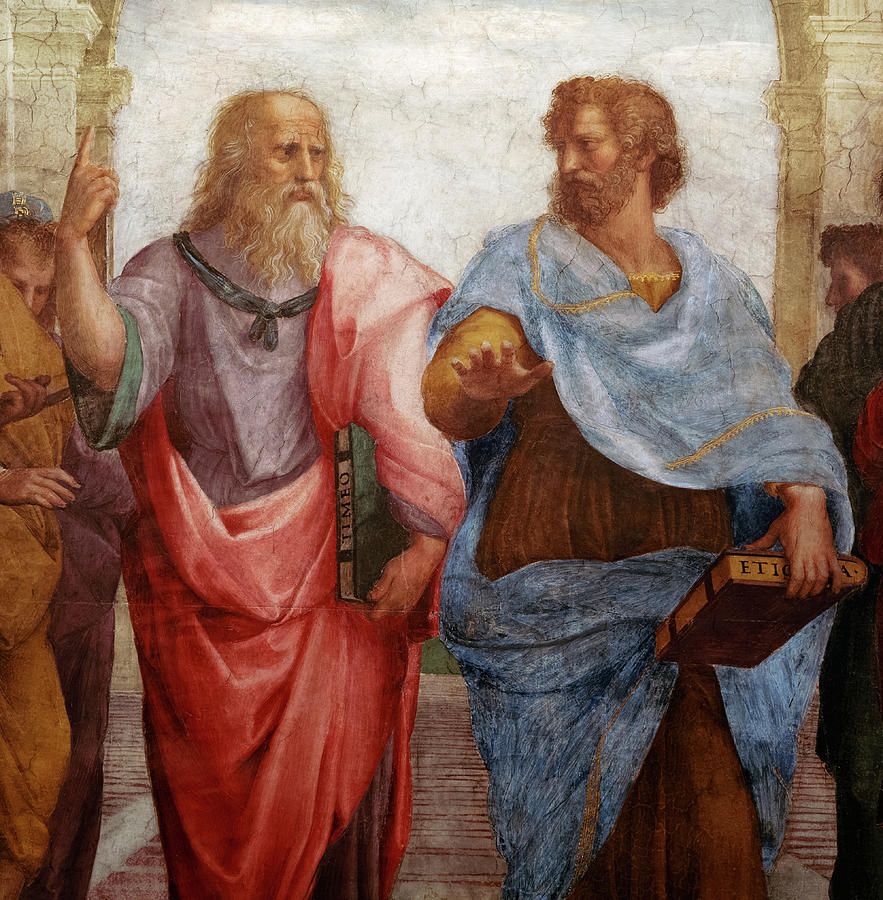
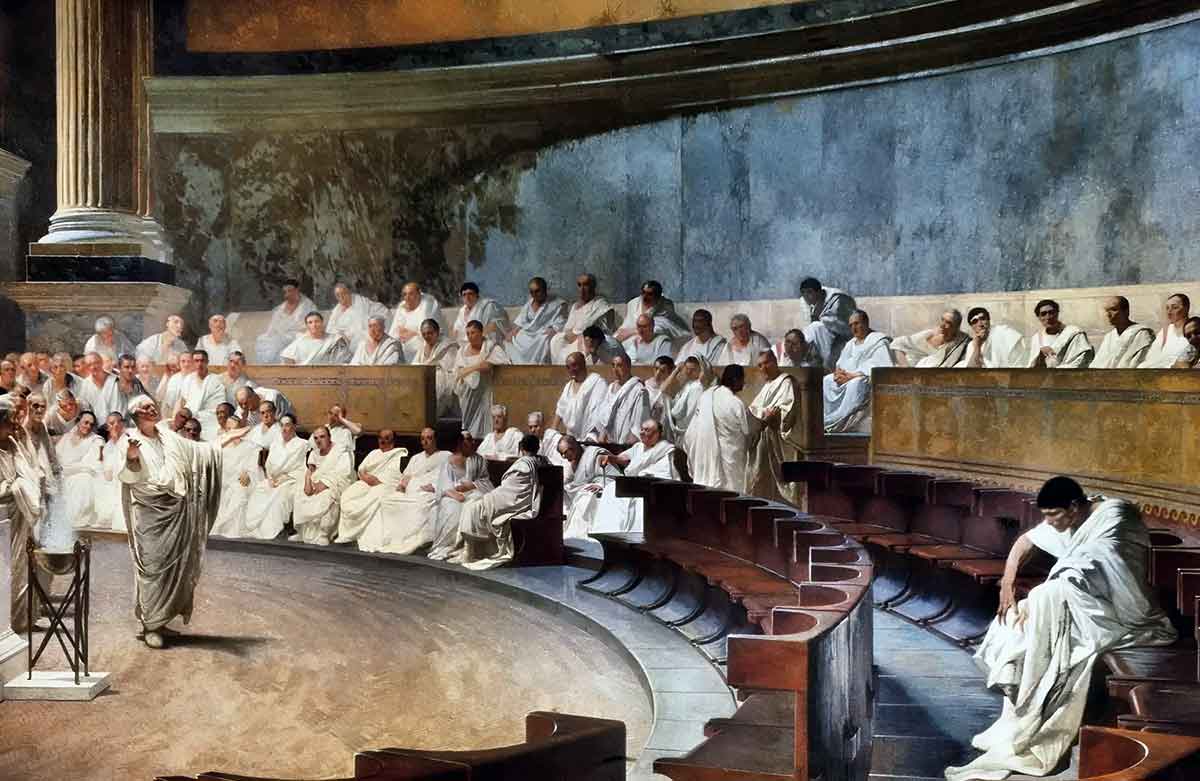
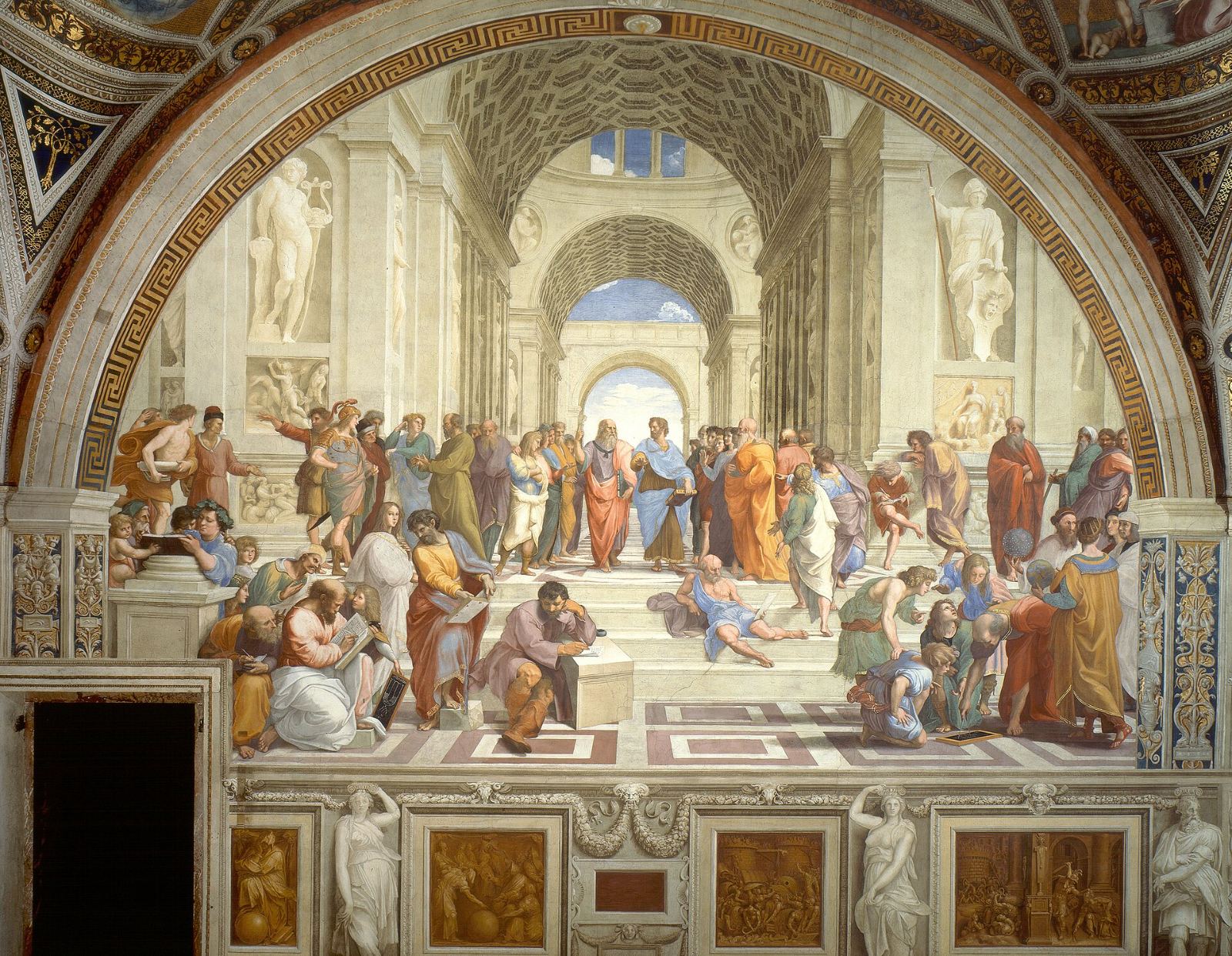
Classical education does not produce compliant students. It produces people who can think, reason, argue, lead, and above all remain free. Children who read Plato learn to spot manipulation. Children who study Cicero learn to speak with courage and precision. Children who wrestle with Aristotle learn to hold a position under pressure and know exactly why they hold it. These are not academic achievements. They are the marks of a human being whose mind cannot easily be owned.
The classics don’t exist to overwhelm — but to awaken. Yes, it is rigorous. The great books demand something of a reader. But our tutors are not taskmasters — they are guides, mentors, and companions in one of the most rewarding intellectual journeys a child can take. They meet your child exactly where they are, and walk with them toward something most schools have stopped believing is possible:
A free, wise, unmanipulable human being.
“The goal of education is not just a good job. It is a good life — and the wisdom to know the difference.”
Your child deserves a tutor, not a factory.
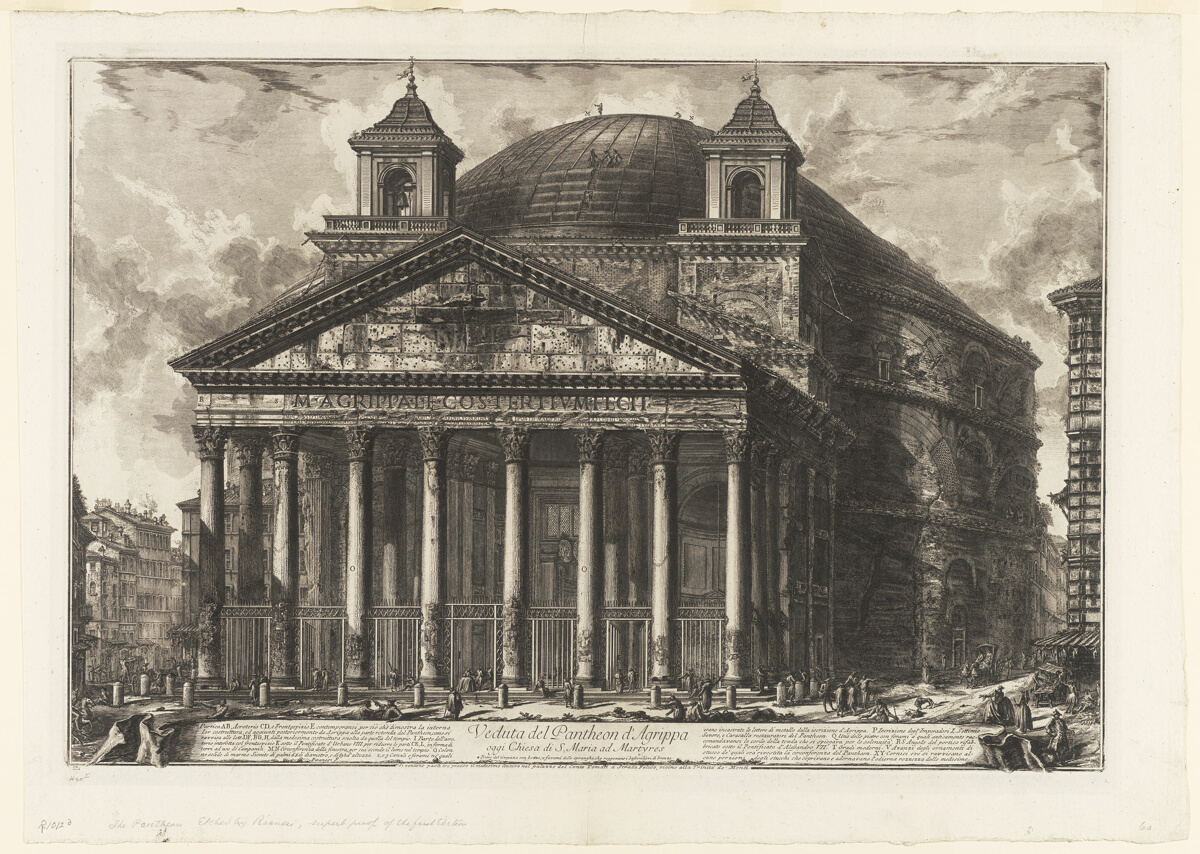
Choose from one-on-one tutoring or small group discussions. One-on-one gives you personalized attention at a higher investment; small group lessens the detailed personalization in favor of richer discussion and collaboration. Either way, your tutor is a scholar vetted for deep knowledge of the great books.
A weekly time, held inviolate. One-to-one or in a small seminar of four. The reading list is set together; the pace is yours.
Each session is online, on video. Dive into a classic together and watch your mind and soul expand with the wisdom of the ages.
Gather a few friends and share a tutor in a small-group session — two to six readers around one text. Reserve the whole hour and invite your circle, and you each pay only your share of the rate.
Some are starting fresh; others are on their third pass. No syllabus, no curriculum committee, no semester clock — only the book in front of you and the tutor reading it with you.
| № | Work | Edition | Length |
|---|---|---|---|
| I | Symposium Plato | Greek / English (Nehamas) | 8 weeks |
| II | Aeneid, Books I-VI Virgil | Latin / English (Fagles) | 14 weeks |
| III | Confessions Augustine | Latin / English (Chadwick) | 12 weeks |
| IV | King Lear Shakespeare | Arden 3rd ed. | 6 weeks |
| V | Elements, Books I-VI Euclid | Heath translation | 20 weeks |
| VI | Middlemarch Eliot | Penguin Classics | 16 weeks |
No. Most of our readers work in English. Some of our tutors are fluent in Greek or Latin and can walk that journey with you if you prefer, but it's never required.
As long as the book asks for. A short dialogue may last six weeks. The Aeneid takes a year. The Republic takes most readers two. There is no clock except the one you set with your tutor.
Neither. You pay your tutor by the hour, the way you would pay a music teacher.
Of course. Some readers stay with one tutor for a decade; others move between them. The books are patient.
Most of our readers have read a great deal of contemporary writing and very little of the canon. That is the inheritance our institutions left undelivered — and the case Aletheia is built for.
Find a tutor, set the hour, open the book.